ZHAO Qi Research Group
A multidisciplinary bioinformatics team at Sun Yat-sen University Cancer Center, advancing gastrointestinal cancer research through computational biology, machine learning, and multi-omics analysis.
🎉 Latest Highlight: Our gastric cancer immunochemotherapy resistance study is featured as the cover article in Cancer Cell (2026), unveiling five tumor microenvironment ecotypes and a novel multi-omics stratification system for precision treatment.
Our research spans several interconnected areas:
Cancer Immunotherapy Biomarkers
Mining multi-omics data to spot biomarkers that flag immunotherapy responders, then packaging those signals into clinical assays for patient selection and combo dosing.
Cancer Genomics Software & Databases
Shipping open-source algorithms, containerized workflows and curated databases that let the community reproduce and extend large-scale cancer genomics studies.
Targeted Therapy Strategies for GI Cancers
Scanning exome, transcriptome and drug-screen datasets to surface druggable lesions in GI tumors, mapping trials to the right inhibitors and tracing resistance with real-time liquid biopsies.
Machine Learning for Cancer Diagnosis & Prognosis
Training lightweight models on pathology images, radiology scans and routine labs to flag early-stage tumors, forecast survival and explain calls in clinician-friendly heat-maps.
Gut Microbiota & Tumor Microenvironment
Tracking gut-bug shifts during ICI treatment, testing causality in germ-free models and crafting next-gen probiotics that sharpen anti-tumor immunity.
Latest News

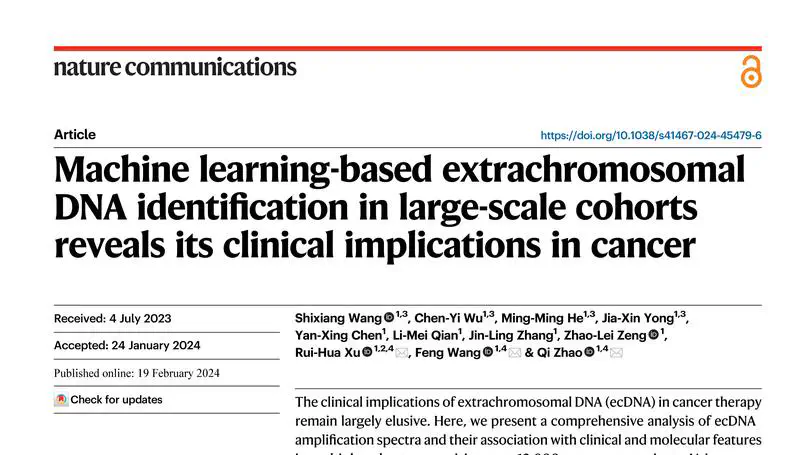
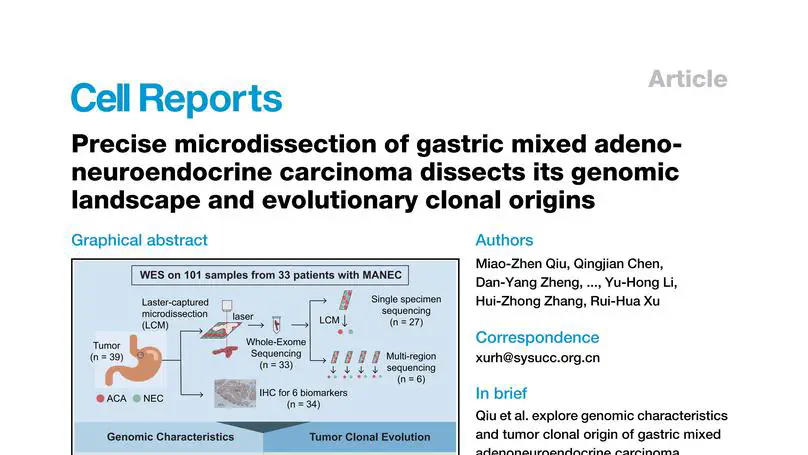
Our new ecDNA allocation algorithm GCAP is now live! linc. Congratulations to Shixiang Wang! GCAP enables determination of ecDNA status from whole-exome sequencing (WES) datasets. Using GCAP, we further reveal that ecDNA may serve as a promising biomarker for ICI treatment in gastrointestinal (GI) cancers.
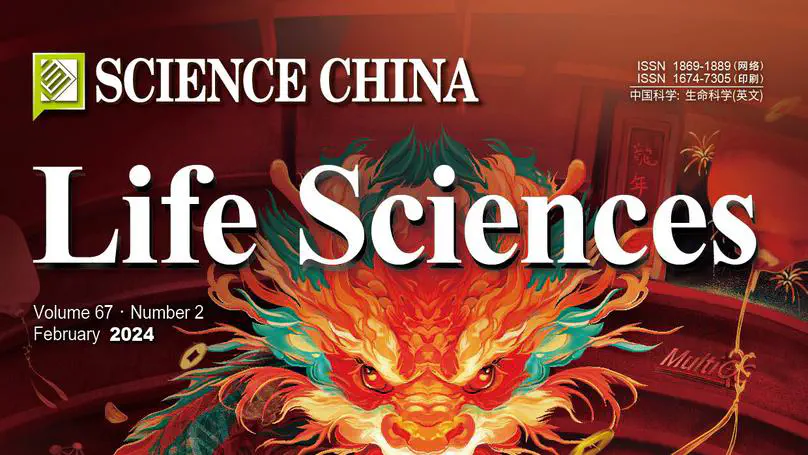
“We developed a bioinformatics tool repository for indexing and commenting thousands of tools, which was recently highlighted as a cover story in Science China Life Sciences.” linc
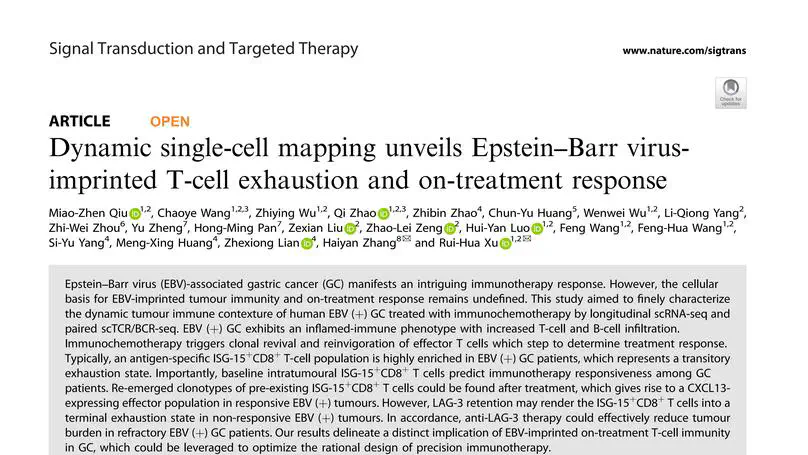
“Our study on the single-cell dynamic microenvironment of EBV-positive gastric cancer before and after anti-PD1 treatment” is now published in Signal Transduction and Targeted Therapy. link